FabricIQ
Reading the label…
FabricIQ
Reading the label…
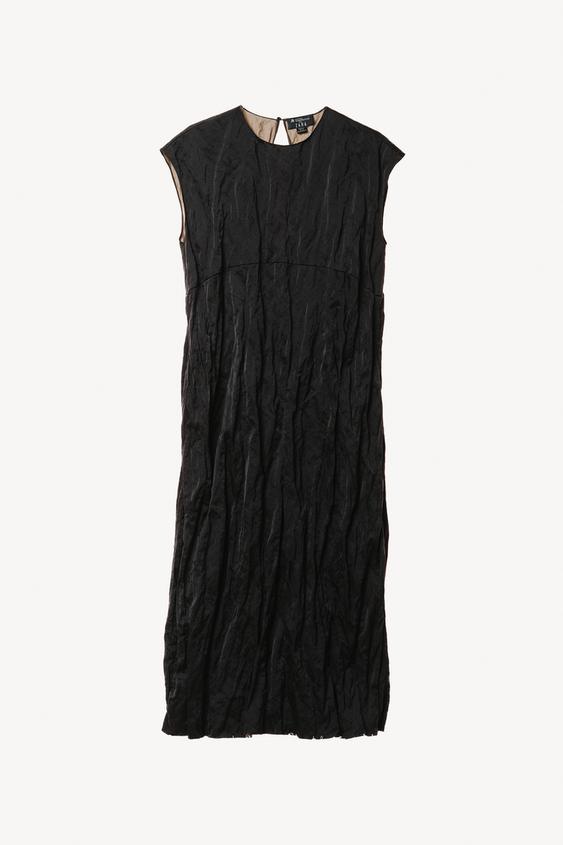
Safe to wear, but rough on the environment.
Best for Safe to wear; production isn't clean — donate when done.
This product scored 49/100 on the material-quality rubric (durability, comfort, breathability, warmth, moisture-wicking, care-ease), based on its composition of 43% Cotton, 40% Polyester, 17% Metallic Fiber. Sustainability is scored separately as the Eco Rating. Blended from 43% Cotton, 40% Polyester — the score is a weighted average based on each material's proportion.
D (40-54): Below-average material composition — weak on durability or comfort.
Below average — consider alternatives
This fabric scores low on quality. It may pill, wear out quickly, or not feel great against skin. And when it does wear out, it'll sit in a landfill for decades. Look for higher-rated options.
43% Cotton, 40% Polyester, 17% Metallic Fiber
Mixed blend — natural + synthetic
Added Mar 30, 2026 · Data last updated Apr 1, 2026
Sustainability is scored separately — see the Eco Rating below.
Every wash of synthetic fabric releases up to 700,000 microplastic fibers into waterways. Use a Guppyfriend bag to catch them.
This fabric will take 200+ years to decompose. That means a shirt you buy today will still exist in the year 2226.
Cotton absorbs moisture but doesn't wick it. Great for a hot day, terrible for hiking — you'll stay wet.
Wash
warm (40°C)
Bleach
Do not bleach
Dry
tumble low
Good durability (60) and comfort (52) for office wear
Higher-rated dresses products — each card shows how much better this alt scores vs your current product.
Microplastic shedding · skin-contact synthetic load · likely chemical treatments
Moderate health impact — some synthetic content or possible chemical treatments. Rotate with natural-fiber alternatives where you can.
700,000 fibers/wash
40% synthetic
Antimony
40% synthetic content (polyester). Moderate microplastic shedding — a washing bag catches 86% of fibers.
Materials will persist in the environment for decades.
We rate the fabric, not the garment. Composition is the floor of what you're guaranteed to be getting — most shoppers don't have that.
Iron
low
Dry Clean
avoid
Icebreaker
Women's Merino Granary Sleeveless Dress
100% Merino Wool


