
Well-made, but plastic on skin.
↳ Outerwear or layers — not for direct skin contact.
Why this material grade?
This product scored 62/100 on the 7-axis material rubric, based on its composition of 100% Recycled Polyester.
C (55-69): Average material composition — typical blend, reasonable for everyday wear.
Average quality, high synthetic content
Decent for everyday wear, but the synthetic content means microplastic shedding and it won't biodegrade. Consider natural alternatives for your next purchase.
Breakdown
Composition
100% Recycled Polyester
Plastic-based, recycled — sheds microplastics in wash
Every wash of synthetic fabric releases up to 700,000 microplastic fibers into waterways. Use a Guppyfriend bag to catch them.
This fabric will take 200+ years to decompose. That means a shirt you buy today will still exist in the year 2226.
Synthetic fabrics can contain BPA, which mimics estrogen. Studies have found BPA transferring to skin through sweat contact.
Network
Performance
spec sheet- Construction
- Waffle
Textured knit — thermal layers
Cost per wear
rough estimateStrong cost-per-wear
How we got there
Base for T-Shirts: 80 expected wears.
× 1.30 for Recycled Polyester (high-durability fiber, durability 83).
= 104 expected wears. $51 ÷ 104 ≈ 49¢/wear.
Missing GSM — this is a category-level estimate, not garment-specific. Expect ±30% variance.
Real life is messier than a formula: how often you wash, how you wash, whether you wear it inside-out, dry on low — all of it shifts the number. This is the ceiling under reasonable care.
Care Guide
Decode symbols →Wash
warm (40°C)
Bleach
Do not bleach
Dry
tumble low
Iron
low
Dry Clean
avoid
Better Alternatives
Higher-rated t-shirts products — each card shows how much better this alt scores vs your current product.
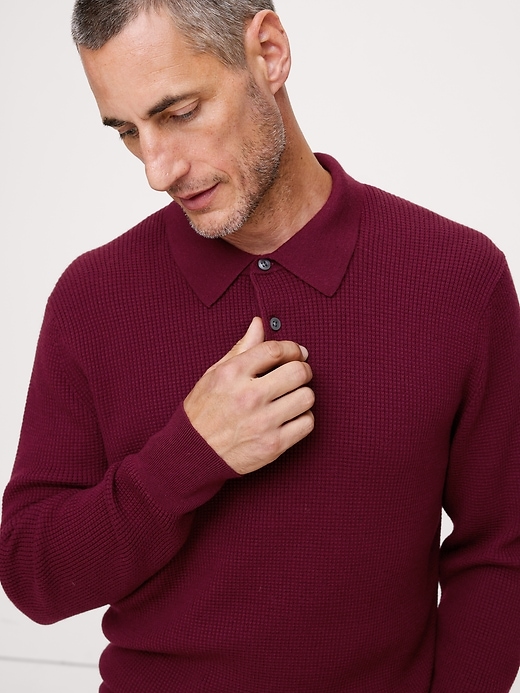
Banana Republic
Merino Waffle-Knit Sweater Polo
100% Merino Wool

Mate the Label
Tencel Sleep Oversized Tee
70% Tencel, 30% Organic Cotton

Mate the Label
Tencel Sleep Oversized Tee
70% Tencel, 30% Organic Cotton
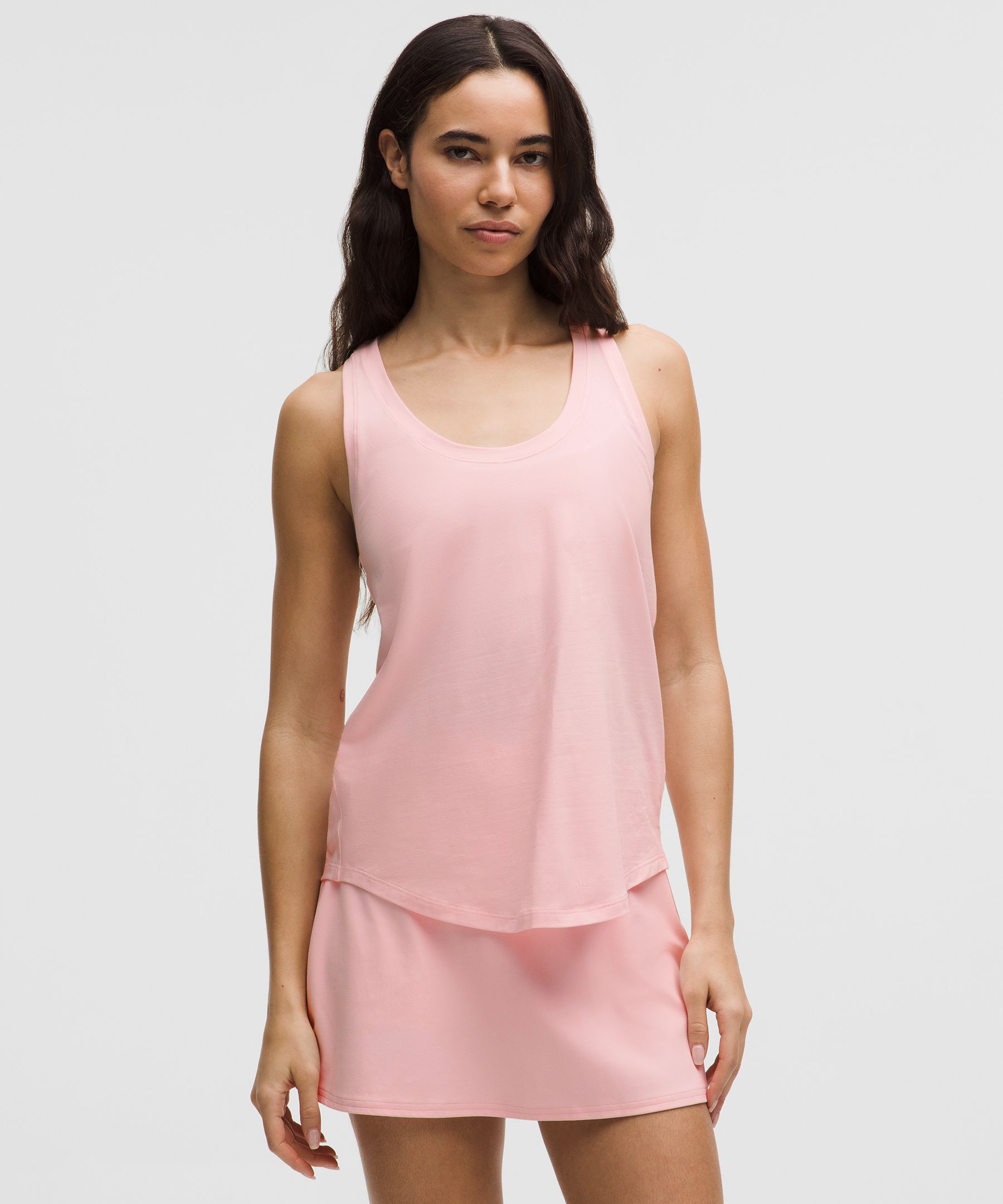
Lululemon
Love Tank Top
94% Pima Cotton, 6% Elastane
Tradeoffs
Health Impact
Microplastic shedding · skin-contact synthetic load · likely chemical treatments
High health impact — significant synthetic content or likely chemical treatments. For frequent skin-contact wear, consider a natural-fiber alternative.
600,000 fibers/wash
100% synthetic
Antimony
- Antimony (trace): Recycled polyester carries reduced (but non-zero) antimony residue from upstream PET feedstock.
Biodegradability
Not BiodegradableMaterials will persist in the environment for decades.
Health & environmental impact →Label Confidence
MODERATELabel confidence moderate — one signal suggests the composition may be incomplete or under-verified.
- ⚠Recycled-fiber claim without explicit certification (GRS, RCS). Chain-of-custody for recycled materials is hard to verify without one.
What this score doesn't measure
- ×Fiber grade. Staple length, micronaire, strength. "100% cotton" could be short-staple upland or long-staple Pima — same label, very different fabric.
- ×Yarn processing. Singles count, ply (single vs two-ply), spinning method (open-end vs ring-spun vs compact), mercerization. Invisible from any label.
- ×Knit / weave structure. Single jersey vs interlock, knit tightness. A loose knit pills; a tight knit lasts.
- ×Fabric weight (GSM). One construction signal among several — and high GSM can come from loose cheap yarn just as easily as from fine tight yarn. We have it for blank manufacturers, rarely for retail.
- ×Pre-shrink processing. Sanforized cotton shrinks ~1%; non-sanforized can shrink up to 10%. Not visible from the composition tag.
- ×Construction quality. Stitch density (SPI), seam types, collar geometry, manufacturing tolerances (AQL). These often matter more than the fiber itself.
- ×Specific chemical loads. Health Impact flags "likely PFAS / possible formaldehyde" from composition × category — we don't lab-test individual SKUs.
We rate the fabric, not the garment. Composition is the floor of what you're guaranteed to be getting — most shoppers don't have that.
Action