Ventile
A tightly woven long-staple cotton fabric originally developed for RAF pilots in WWII. Naturally waterproof when wet — fibers swell to close gaps. Premium heritage fabric for outerwear.
Material Score Breakdown
7-axis material rubric, not a garment verdict — see disclosure below.
How long the fabric lasts with regular use
Softness, feel against skin, wearability
Air flow and ventilation
Heat retention and insulation
Ability to pull sweat away from skin
Environmental impact of production and disposal
How easy it is to wash, dry, and maintain
Products with ventile
We don't have any ventile products in our catalog yet — it's a rare natural fiber. Here are top-rated natural alternatives:

Merino Cardigan
100% Merino Wool
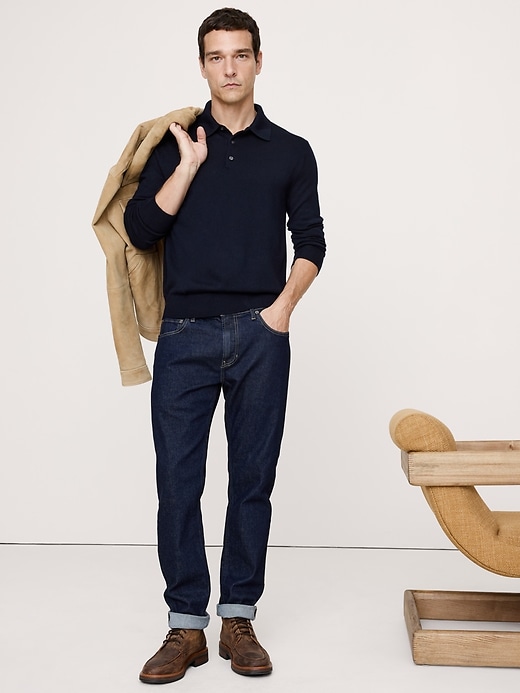
Merino Long-Sleeve Sweater Polo
100% Merino Wool
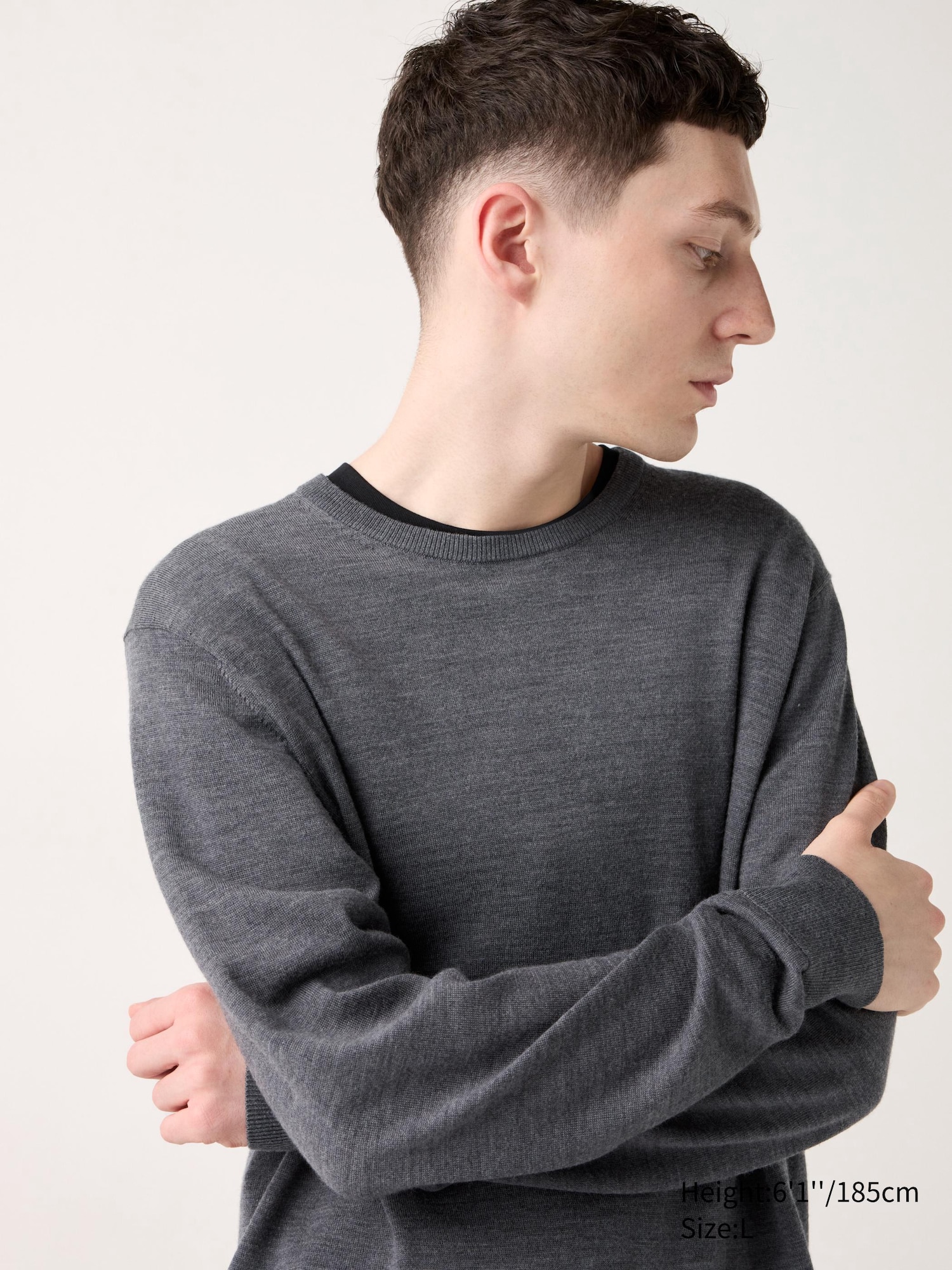
Merino Sweater
100% Merino Wool
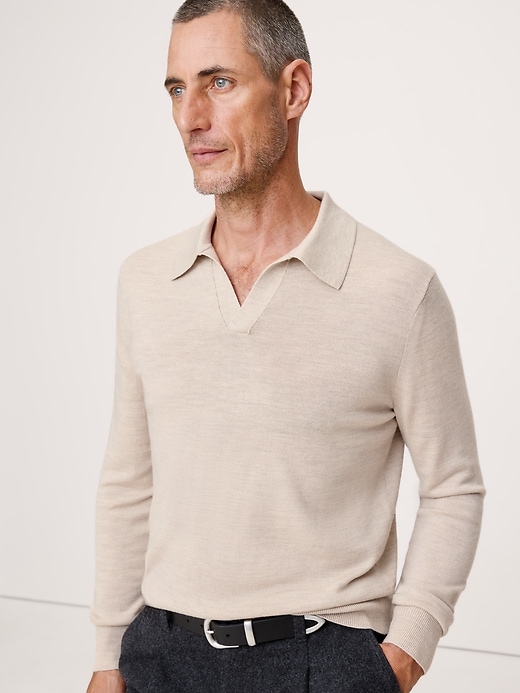
Merino Johnny-Collar Sweater Polo
100% Merino Wool
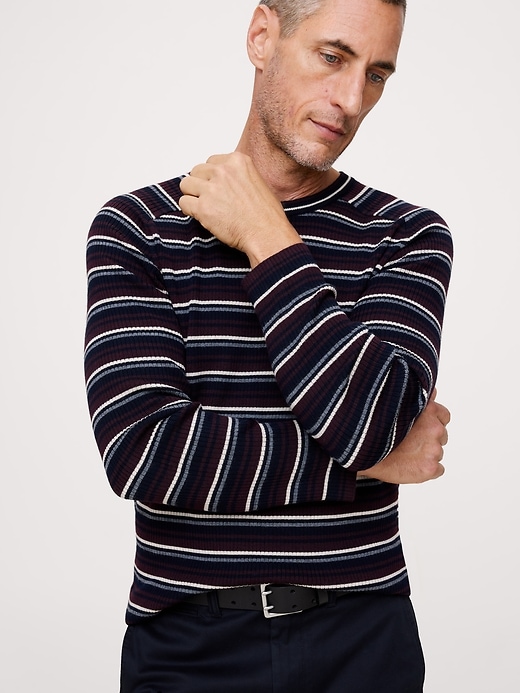
Slim Merino Ribbed Sweater
100% Merino Wool
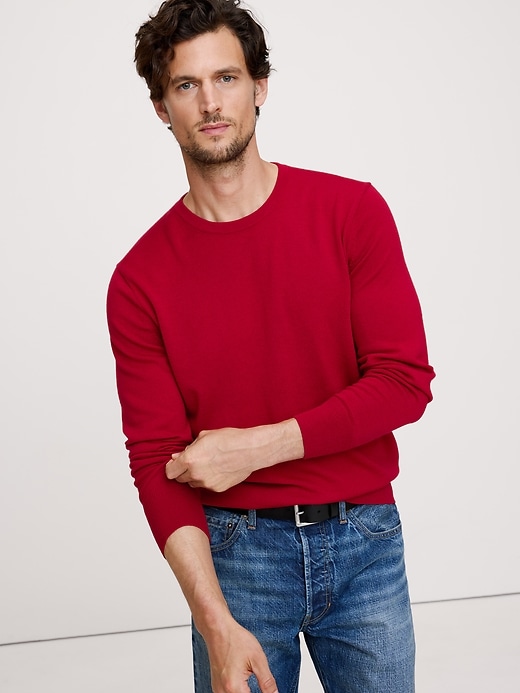
Merino Crew-Neck Sweater
100% Merino Wool
What this score doesn't measure
This is a material rating, not a verdict on any specific garment made from ventile. The axes above are research-backed averages for the fiber itself.
- ×Construction. Yarn staple length, weave / knit structure, stitch count, finishing. Identical fiber, very different garments.
- ×Fabric weight (GSM). A 140 GSM tee and a 220 GSM tee made of the same ventile feel and last very differently.
- ×Dye + finishing chemicals. Beyond the three we flag (PFAS, formaldehyde, antimony), dozens of textile finishes aren't modelled.
Best For
Excellent durability (82) and comfort (75) for office wear
Good warmth (65) for cold weather
Good comfort (75) and care ease (55) for casual wear
Good comfort (75) and breathability (70) for sleeping
Good breathability (70) and comfort (75) for undergarments
Good durability (82) and breathability (70) for outdoor activities
Good sustainability score (75)
Detailed Use Case Scores
Pros
- ✓ Naturally waterproof — no chemical coatings needed
- ✓ Highly breathable compared to synthetic waterproofs
- ✓ Extremely durable tightly woven construction
- ✓ Biodegradable and sustainable natural fiber
Cons
- ✗ Very expensive — limited production
- ✗ Heavier than synthetic alternatives like Gore-Tex
- ✗ Takes longer to dry than synthetics
- ✗ Limited availability — specialty fabric
Better alternatives
Higher-scored natural materials. Same category — what to consider instead.
+14 vs Ventile · 92/100
BiodegradableThe rarest and most expensive animal fiber in the world, from the vicuña of the Andes. Finer than cashmere, incredibly soft, warm, and lightweight. A single coat yields only 250g of usable fiber every 2-3 years.
+8 vs Ventile · 86/100
BiodegradableUltra-fine wool from Merino sheep. Softer and less itchy than regular wool, with excellent temperature regulation and moisture management.
+4 vs Ventile · 82/100
BiodegradableExtra-long-staple cotton historically grown in the West Indies (Barbados, Jamaica) and Sea Islands of Georgia/South Carolina. Among the rarest commercial fibers on earth — staple length up to 2.5", silky hand feel, intense color saturation when dyed. Used in heritage luxury shirting and bespoke menswear.
Care Guide
Special Notes
• Densely woven cotton — naturally water-resistant
• Re-proof with wax or DWR spray after washing
Additional Care Tips
- • Machine wash warm (40°C/105°F) on gentle cycle with mild detergent
- • Tumble dry on low heat — heat reactivates the water-resistant properties
- • Iron on medium heat to restore fabric tightness and water resistance
- • Do not use fabric softeners — they impair waterproofing
- • Re-proof with wax or DWR treatment if water resistance diminishes
- • Hang to store — avoid compressing for long periods
Cost
$$$$$
Premium
Shrinkage
Minimal shrinkage — follow care instructions
Eco Rating
Strong environmental credentials