Tweed
Rough-textured woven wool fabric, originally from Scotland. Known for its durability, warmth, and traditional heritage aesthetic.
Material Score Breakdown
7-axis material rubric, not a garment verdict — see disclosure below.
How long the fabric lasts with regular use
Softness, feel against skin, wearability
Air flow and ventilation
Heat retention and insulation
Ability to pull sweat away from skin
Environmental impact of production and disposal
How easy it is to wash, dry, and maintain
Products with tweed
We don't have any tweed products in our catalog yet — it's a rare natural fiber. Here are top-rated natural alternatives:

Merino Cardigan
100% Merino Wool
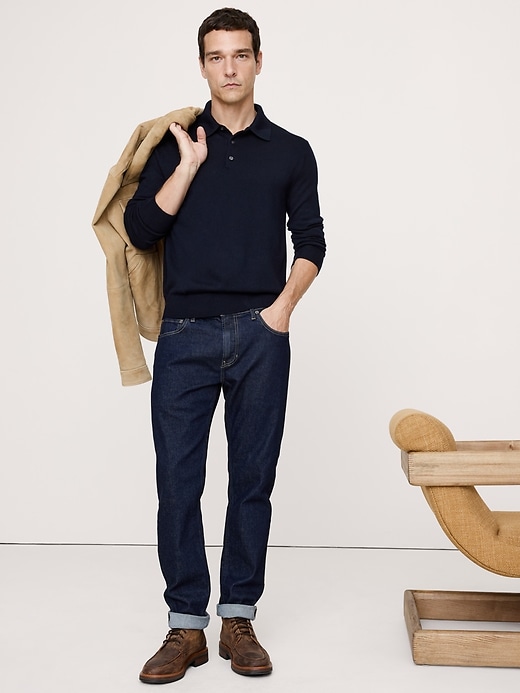
Merino Long-Sleeve Sweater Polo
100% Merino Wool
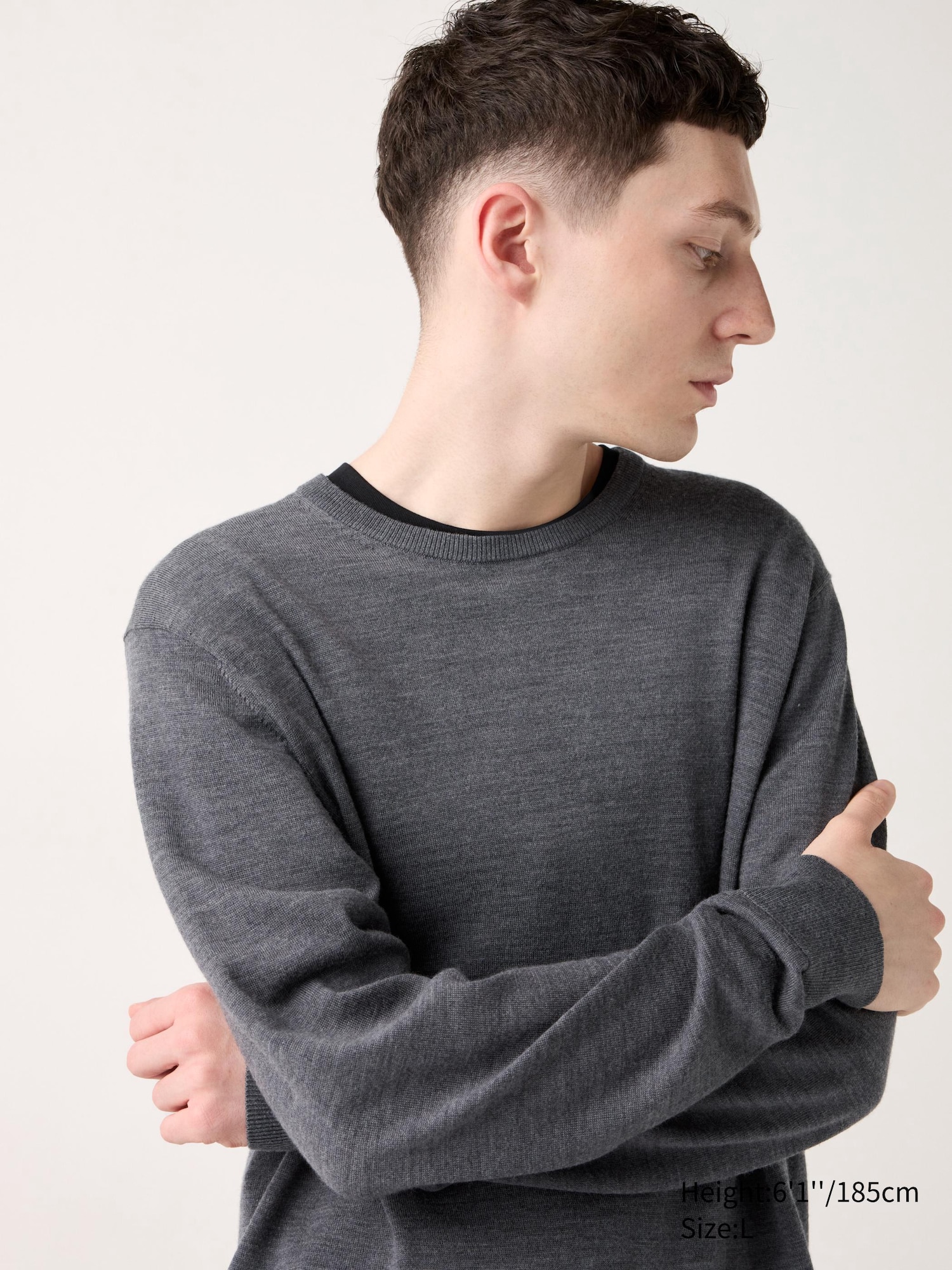
Merino Sweater
100% Merino Wool
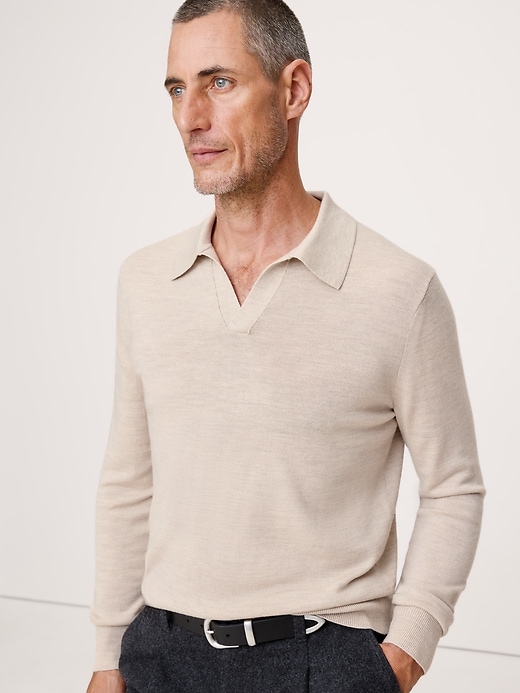
Merino Johnny-Collar Sweater Polo
100% Merino Wool
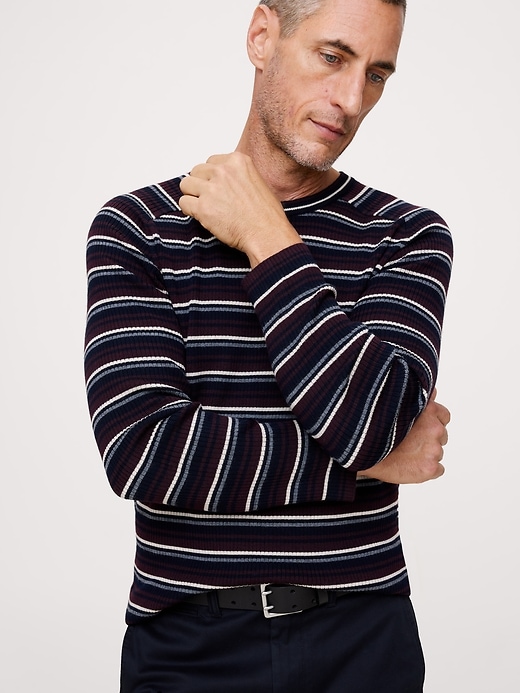
Slim Merino Ribbed Sweater
100% Merino Wool
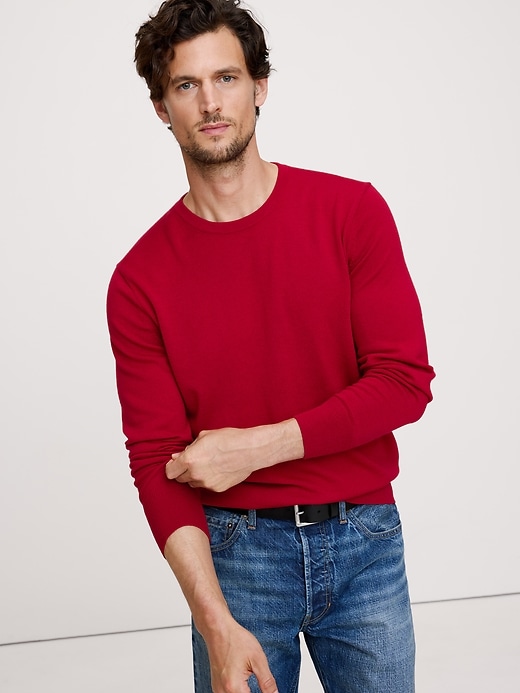
Merino Crew-Neck Sweater
100% Merino Wool
What this score doesn't measure
This is a material rating, not a verdict on any specific garment made from tweed. The axes above are research-backed averages for the fiber itself.
- ×Construction. Yarn staple length, weave / knit structure, stitch count, finishing. Identical fiber, very different garments.
- ×Fabric weight (GSM). A 140 GSM tee and a 220 GSM tee made of the same tweed feel and last very differently.
- ×Dye + finishing chemicals. Beyond the three we flag (PFAS, formaldehyde, antimony), dozens of textile finishes aren't modelled.
Best For
Excellent warmth (85) and durability (85) for cold weather
Good breathability (65) and moisture wicking (55) for light activity
Good durability (85) and comfort (55) for office wear
Good durability (85) and breathability (65) for outdoor activities
Good sustainability score (70)
Detailed Use Case Scores
Pros
- ✓ Extremely durable
- ✓ Excellent warmth
- ✓ Wind-resistant
- ✓ Classic heritage look
Cons
- ✗ Can feel scratchy
- ✗ Heavy
- ✗ Requires dry cleaning
- ✗ Limited warm-weather use
Better alternatives
Higher-scored natural materials. Same category — what to consider instead.
+20 vs Tweed · 92/100
BiodegradableThe rarest and most expensive animal fiber in the world, from the vicuña of the Andes. Finer than cashmere, incredibly soft, warm, and lightweight. A single coat yields only 250g of usable fiber every 2-3 years.
+14 vs Tweed · 86/100
BiodegradableUltra-fine wool from Merino sheep. Softer and less itchy than regular wool, with excellent temperature regulation and moisture management.
+10 vs Tweed · 82/100
BiodegradableExtra-long-staple cotton historically grown in the West Indies (Barbados, Jamaica) and Sea Islands of Georgia/South Carolina. Among the rarest commercial fibers on earth — staple length up to 2.5", silky hand feel, intense color saturation when dyed. Used in heritage luxury shirting and bespoke menswear.
Care Guide
Special Notes
• Brush after wearing to remove surface dirt
• Steam to remove wrinkles rather than pressing
Additional Care Tips
- • Dry clean only — tweed should not be washed at home due to structure and dye sensitivity
- • Brush with a natural-bristle garment brush after each wearing to remove dust and surface debris
- • Air out between wears by hanging in a well-ventilated area — tweed needs infrequent cleaning
- • Store with cedar blocks or moth repellent sachets — wool tweed is highly susceptible to moths
- • Steam gently to remove wrinkles rather than ironing, which can crush the textured weave
- • Store on wide wooden or padded hangers to maintain shoulder shape on jackets and coats
Cost
$$$$$
Premium
Shrinkage
Significant risk — hand wash or dry clean
Eco Rating
Strong environmental credentials