FabricIQ
Reading the label…
FabricIQ
Reading the label…
Extra-long staple cotton known for exceptional softness, durability, and luster. Grown primarily in Peru and the American Southwest.
Material-quality rubric (6 axes), not a garment verdict — see disclosure below. Sustainability is a separate Eco score, shown apart.
How long the fabric lasts with regular use
Softness, feel against skin, wearability
Air flow and ventilation
Heat retention and insulation
Ability to pull sweat away from skin
How easy it is to wash, dry, and maintain
Sustainability (separate Eco score)
Environmental impact of production and disposal
3 brands have products in our catalog whose composition contains pima cotton. Sorted by how many garments they offer with this fiber.
Brand grade = average overall score across all of their products containing pima cotton.
Top-scored garments in our catalog whose composition contains pima cotton. Click through for the full quality + health + eco breakdown.

Brushed Pima Tee
100% Pima Cotton
$68
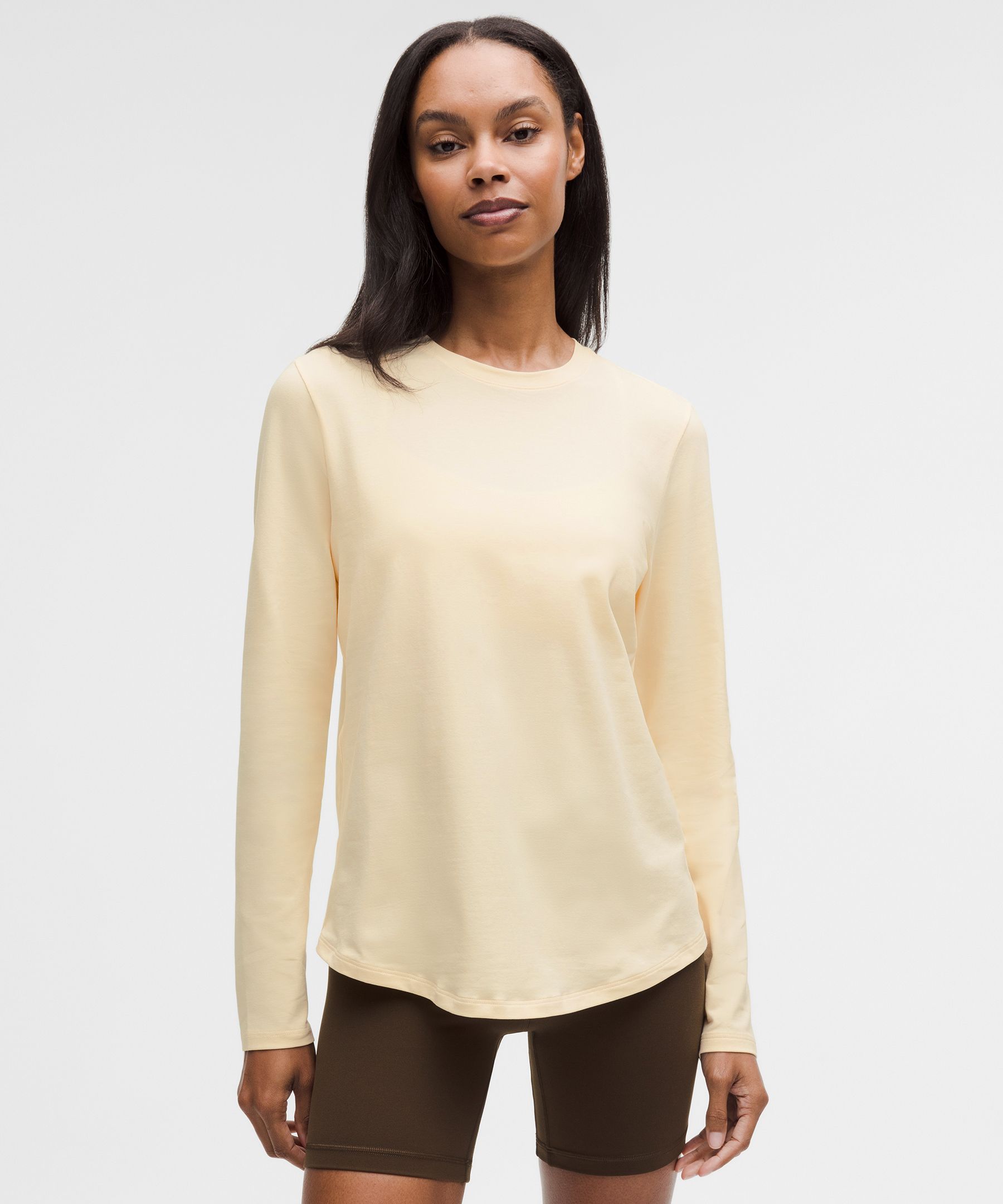
Love Long-Sleeve Shirt
94% Pima Cotton, 6% Elastane
$58
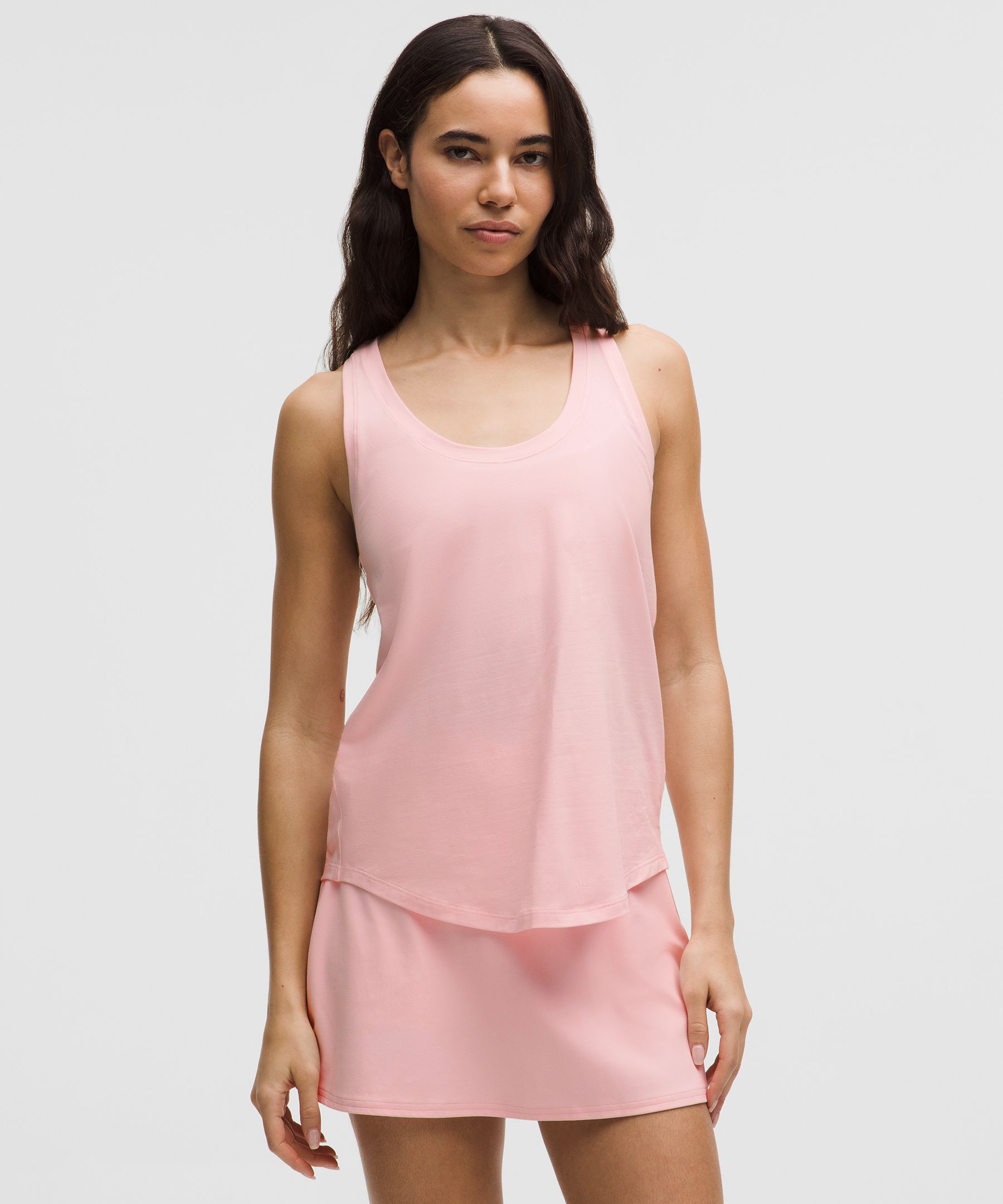
Love Tank Top
94% Pima Cotton, 6% Elastane
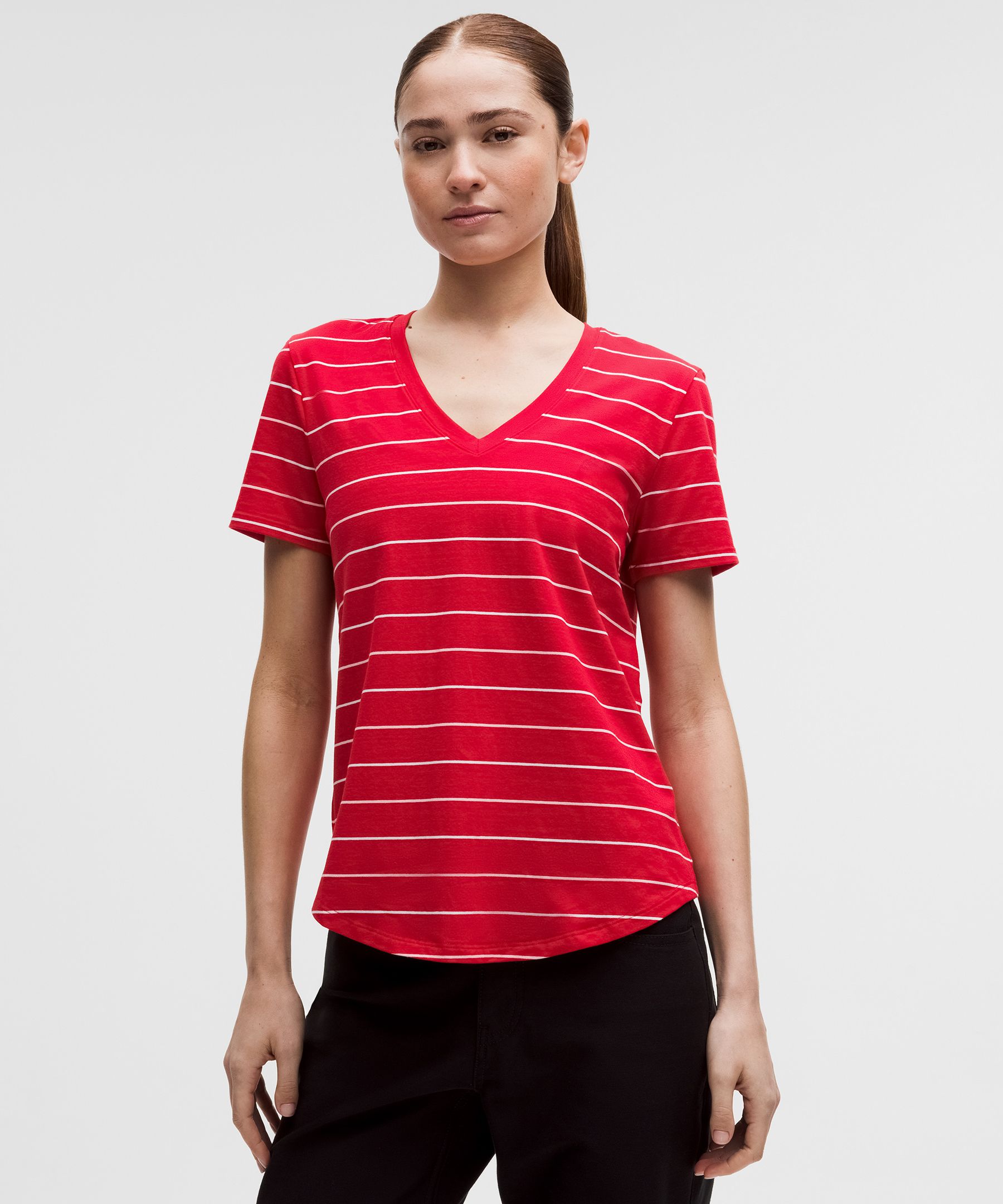
Love V-Neck T-Shirt
94% Pima Cotton, 6% Elastane

Long-Sleeve Brushed Cotton Polo
100% Pima Cotton Straight Fit
$89

Glasir Premium Cotton T-Shirt
60% Pima Cotton, 35% Polyester
$65

Leary Tee
100% Pima Cotton For All-day
$19
This is a material rating, not a verdict on any specific garment made from pima cotton. The axes above are research-backed averages for the fiber itself.
Excellent comfort (90) and easy care (72) for daily wear
Excellent durability (75) and comfort (90) for office wear
Excellent comfort (90) and breathability (85) for sleeping
Excellent breathability (85) and comfort (90) for undergarments
Good durability (75) and breathability (85) for outdoor activities
Detailed Use Case Scores
Higher-scored natural materials. Same category — what to consider instead.
+14 vs Pima Cotton · 92/100
BiodegradableThe rarest and most expensive animal fiber in the world, from the vicuña of the Andes. Finer than cashmere, incredibly soft, warm, and lightweight. A single coat yields only 250g of usable fiber every 2-3 years.
+8 vs Pima Cotton · 86/100
BiodegradableUltra-fine wool from Merino sheep. Softer and less itchy than regular wool, with excellent temperature regulation and moisture management.
+4 vs Pima Cotton · 82/100
BiodegradableExtra-long-staple cotton historically grown in the West Indies (Barbados, Jamaica) and Sea Islands of Georgia/South Carolina. Among the rarest commercial fibers on earth — staple length up to 2.5", silky hand feel, intense color saturation when dyed. Used in heritage luxury shirting and bespoke menswear.
Special Notes
• Extra-long staple fibers benefit from gentle handling
$$$$$
Premium
May shrink 2-5% — wash cold
Moderate impact — consider eco alternatives